
Sonoma · Sauna Builder Services
Cold Plunge Install
Chilled plunge tubs beside your sauna or pool, with the chiller, filtration and power sized for valley heat and hard well water, and the equipment raised where river floods reach.
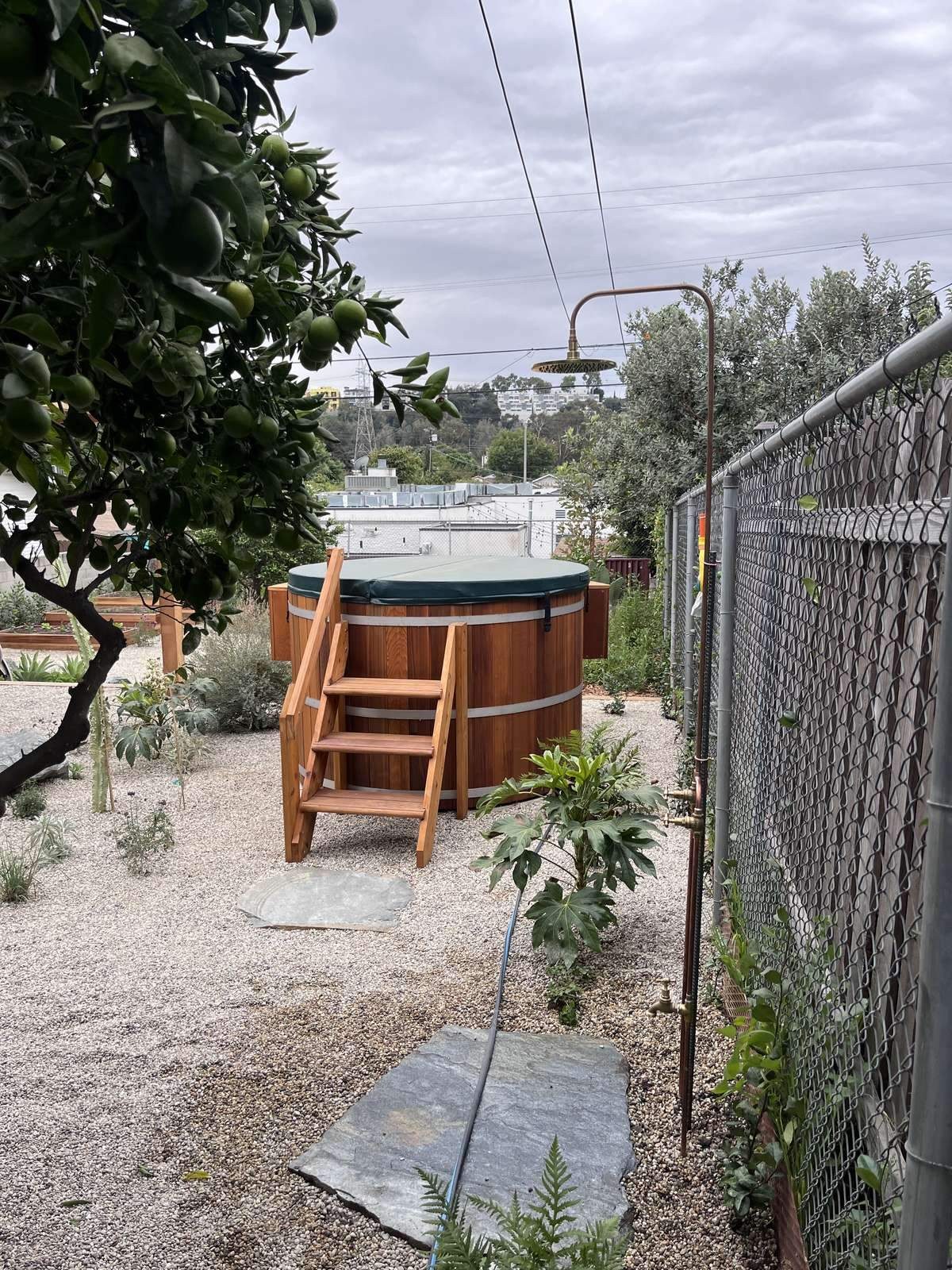
Cold water that stays cold in August
When the valley floor hits triple digits in July, a cold plunge pays for itself in comfort within a week. We install chilled tubs in stainless, cedar, molded and stock-tank styles, set beside a sauna, next to a pool deck or in a garage gym. Each gets a chiller sized for our summers, a filter that keeps the water usable for weeks and an equipment spot where the unit can breathe and a technician can reach it.
Plunges look simple, and the trouble tends to hide in small decisions. A chiller that is too small runs all afternoon and still cannot hold fifty degrees once the sun swings onto the tub. Hard well water lays scale on the heat exchanger. Equipment left on the ground in a Russian River flood area is ruined by the first bad winter. We plan around each of those before the tub is even ordered.
Most of the plunges we fit sit near a sauna, and a good share of those are barrel saunas in the yard with the tub a few steps from the door. When a client wants the hot room and the cold water designed as one piece, we build the pair as custom saunas with a shared deck and a single set of plans.
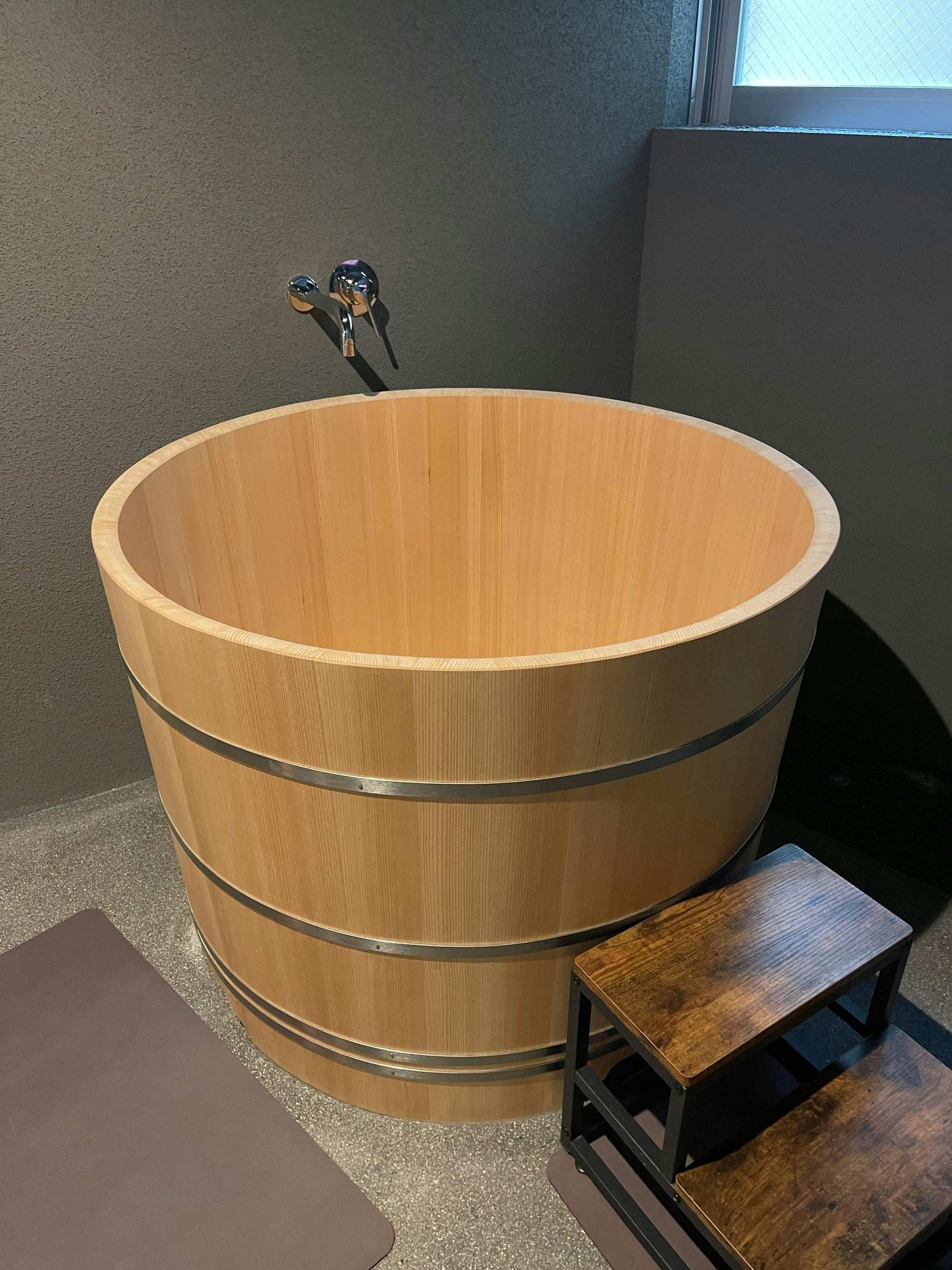
Why chiller sizing and placement come first
Nearly every plunge complaint we hear traces back to a chiller chosen from a catalog without anyone looking at where it would sit. We check sun, shade, airflow around the unit, the power on hand and the water you are filling with, and only then pick parts. Owners who want the whole backyard handled by a professional sauna builder in wine country can have the plunge, the hot room and the deck on one quote.
- We size chillers for July afternoons, when the air works hardest against them.
- We lift chillers and pumps above known flood levels in river neighborhoods.
- We test well water and plan for scale before it reaches the heat exchanger.
- We run a dedicated, GFCI-protected circuit for every plunge.
- We shade and space equipment so it never breathes its own hot exhaust.
- We install brands with local parts support, including Penguin Chillers, BlueCube and Plunge.
Reasons people add a plunge
A cold tub fits a lot of different routines. These are the reasons we hear most often from clients around the county.
You already own a sauna
Cold water after heat is the old Nordic rhythm, and it makes a session feel finished. A plunge a few steps from the sauna door gets far more use than a cold shower back inside the house, especially once it is dark.
Summers here run hot
Sonoma Valley, Healdsburg and the Santa Rosa plain regularly string together weeks above ninety-five. Three minutes in cold water on a sweltering evening does more than any fan, and it helps a lot of people sleep on nights when the bedroom will not cool down.
You train or work hard outdoors
Cyclists who ride the hills out toward Occidental, trail runners and anyone doing ranch work often use cold water after a long day. Having it in the yard is what turns a good intention into a habit.
A pool is more than you want to maintain
A plunge holds a few hundred gallons against a pool's tens of thousands. It needs a fraction of the chemicals, no weekly service truck and very little yard space.
You want the whole bathing circuit
Heat, cold water and a bench outside to rest make a loop you can repeat two or three times in an evening. The plunge is the piece people most often wish they had added at the start.
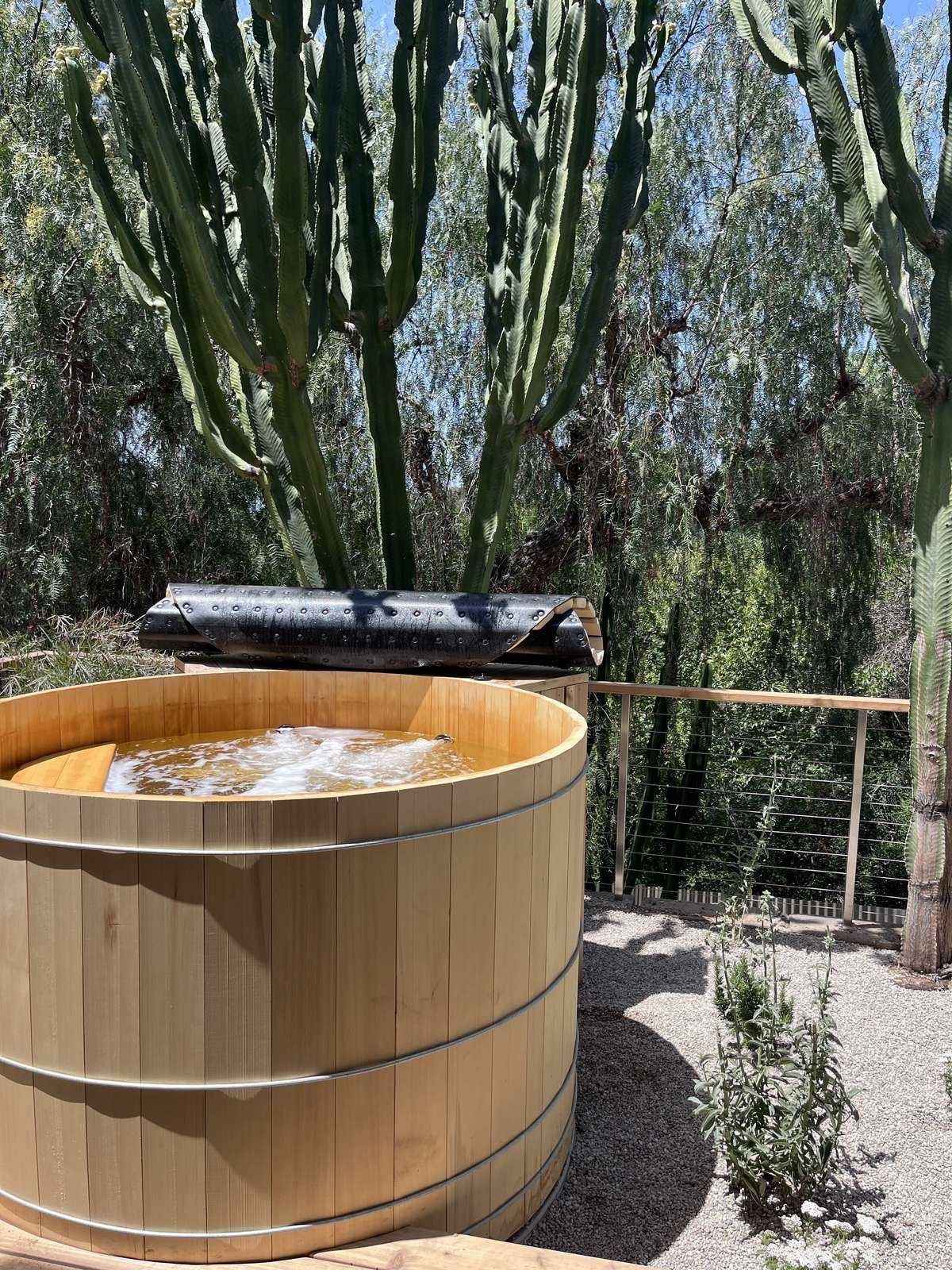
How a plunge goes in
Site and water check
We choose a spot with shade for the chiller, a level base and a short run to power. On a well, we test hardness and iron and note anything that will shorten equipment life.
Base, power and drainage
We pour or frame the base, run the dedicated circuit and decide where the water goes when you drain the tub. On septic properties, plunge water is routed away from the system and never into it.
Set and commission
The tub is placed, the chiller, filter and sanitizer are plumbed, and we pull the water down to temperature. We watch the chiller cycle on and off a few times to confirm it is sized right.
Handover
You get a filter schedule, a water-change interval matched to your use and a short list of warning signs to watch for on the chiller.
Tubs, chillers and the extras
These are the parts of a plunge setup we plan on almost every job.
Tub materials
Stainless steel is durable and easy to clean. Cedar looks at home beside a wooden sauna and insulates well. Molded tubs are light and simple to move later. Galvanized stock tanks are cheap, though they rust quickly anywhere near the coast.
Chillers
Chillers are rated in horsepower and matched to tub volume, target temperature and how hot the site gets. We lean toward a unit with room to spare that cycles off, rather than a small one that never stops running.
Filtration and sanitizing
Cartridge filters catch leaves and grit. Ozone or UV units keep bacteria down between changes. Together they let a home plunge go several weeks between drains without turning cloudy.
Covers
A snug cover keeps debris out and cuts chiller run time noticeably. Cedar tub covers suit wooden plunges, and insulated vinyl lids suit steel and molded tubs.
Steps, rails and footing
A step, a grab rail and a non-slip surface matter when you climb out cold and dripping. They come standard on our installs. Hotels, gyms and inns face stricter rules for shared plunges, which we cover under commercial saunas.
Cold plunge pricing
Installed plunges around the county usually cost between six and twenty thousand dollars. The main factors:
- Tub material and size.
- Chiller capacity and brand.
- Filtration and sanitizing equipment.
- Electrical work for the dedicated circuit.
- The base, deck or pad under the tub.
- Raised platforms or shade structures for the equipment.
Each plunge is quoted as a fixed price after the site visit. Adding one to a sauna project usually trims the electrical and base costs, since the trench and pad are already being dug.
Frequently Asked Questions
How cold should a plunge be?
Most people settle somewhere between 45 and 55 degrees. Beginners often start near 60 and work down over a few weeks. Colder is not automatically better, and a few minutes at a temperature you can relax in does the job.
What should I look for when purchasing a backyard cold plunge?
Look at the chiller first. It should be rated for your tub volume and for hot climates, because a unit that copes in a cool coastal garage can struggle in a Kenwood yard in July. After that, check the filtration, how easily the tub drains, the quality of the lid, and whether parts and service are available nearby. Ask about the chiller warranty separately from the tub warranty.
How often should the water be changed?
With decent filtration and a sanitizer, every four to eight weeks for a home plunge used by one or two people. Heavier use, or no sanitizer at all, means changing it more often.
Does a chiller need its own circuit?
Usually. Most chillers run on a dedicated 120V or 240V circuit with GFCI protection. We confirm the requirement for the model you pick and check your panel before we quote.
Can a plunge stay outside all year?
Yes. Winters here are mild enough that a hard freeze is rare, though clear nights in the valley do dip below 32. A lid and a chiller with a freeze protection mode handle that. Summer sun and, near the river, winter flooding are the bigger worries.
See all FAQs on our FAQ page.
Planning cold plunge install in Sonoma?
Send us a few lines about the space you have in mind, or call, and we will set up a visit and a free estimate. We will talk through heat source, size and budget, and there is no obligation to go ahead.
Or call us now: 707-744-3951